Reasons to Use Dental Botox®
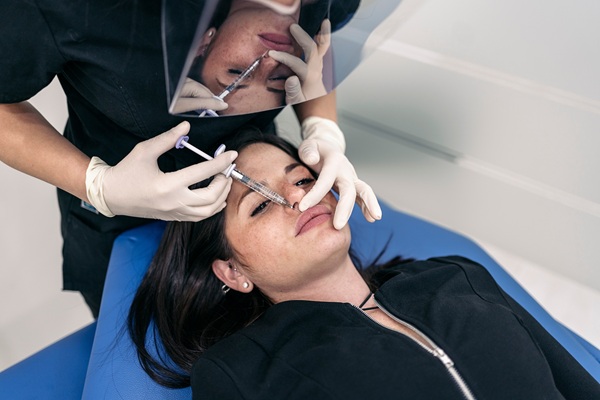
Dental Botox® is a treatment option that many people are beginning to consider. While Botox® has traditionally been used for cosmetic purposes, recent studies have shown that it can be beneficial for treating oral problems. However, because it is relatively new to dentistry, many are curious as to what it can actually be used for.
What is dental Botox® used for?
Outlined below are a few reasons to use dental Botox. Individuals that are looking into alternative treatment options for dental conditions can review the following information to find out more.
Bruxism
Bruxism, also known as teeth grinding, is a very common problem in many people. It can result in pain in the jaw, headaches, and weakened teeth, which can lead to cracks or breaks. Dental Botox can be administered in the jaw area to reduce teeth grinding, which then eliminates the risk of the other side effects.
TMJ disorders
Dental Botox is also used quite frequently to treat temporomandibular joint disorders. TMJ disorders cause a serious malfunction in the jaw and oral cavity, resulting in problems with eating, speaking, and smiling. The jaw may feel sore and headaches also occur quite often. However, with dental Botox, the muscles of the temporomandibular joint can relax and return to normal function.
Dental implant surgery
Surgically placing dental implants into the bone can cause a lot of stress on the oral cavity. The muscles in the jaw can react poorly to multiple dental implant placements, which can result in spasms, impediments of osseointegration, and even pain. Injecting dental Botox after implant surgery can be therapeutic to the healing process, making osseointegration more effective.
Gummy smiles
When the gums appear to be longer than the teeth, the result is known as a gummy smile, which is a cosmetic and oral issue that requires treatment. When dental Botox is administered to treat gummy smiles, patients can expect the tissue to become less exposed over time.
Jaw clenching
Jaw clenching is a common oral problem that often goes hand-in-hand with bruxism. The jaw is responsible for eating, smiling, and speaking, all of which are necessary daily actions. When individuals clench their jaw, the teeth become prone to decay, and the entire facial area experiences soreness, tightness, and pain. With dental Botox, the jaw muscles are targeted, thus forcing them to relax. Often, a mouth guard will be administered in conjunction with the Botox treatment.
Spasms
Facial muscle spasms can cause dysfunction in the oral cavity and jaw. Eating, speaking, and smiling can all become difficult or even impossible as a result. Additionally, these spasms can make oral hygiene and dental appointments difficult to complete. However, with the help of dental Botox, spasms can be controlled, reduced, and even eliminated.
Find out more about dental Botox®
When looking for further information on dental Botox, it is best to consult with a general dentist. An evaluation can be done in order to determine if Botox is a suitable option for you. Additionally, questions and concerns can be addressed properly, which can also be used as a basis for treatment. Contact us today to learn more or to get started with an appointment.
Request an appointment here: https://www.williamsburgdentalworks.com or call Williamsburg Dental Works at (718) 701-8991 for an appointment in our Brooklyn office.
Check out what others are saying about our dental services on Yelp: Botox in Brooklyn, NY.
Related Posts
Any dentist who provides cosmetic dentistry services can call themselves a cosmetic dentist. Therefore, the skill level can vary drastically from one dentist to the next. This can make selecting a cosmetic dentist challenging. However, finding the right cosmetic dentist for you can be easier when you know where and what to look for.An important…
Going to a cosmetic dentist to renew your smile can help you reach your smile goals. A thorough evaluation will come first. The assessment will determine which treatment or treatments will help you the most. Here are the details on how your cosmetic dentist can restore your smile.Teeth may have uneven spaces between them. They…
Cosmetic dentists can improve many undesirable aspects of your smile. It is important to remember that they primarily focus on aesthetic impurities rather than function or health issues. Learning what they can address can help you determine when to give one a call.Teeth damage can result from trauma or decay. This can seriously impact the…
Your cosmetic dentist may recommend dental bonding to correct your smile. This treatment is quick and painless. It uses a composite resin material that blends well with the rest of the natural dental structure. Here are the details about how your cosmetic dentist uses a dental bonding treatment.Research shows that people with small or large…